

Registering a car in California is a crucial step for any vehicle owner, ensuring legal compliance and personal protection. However, navigating the process can be complex, with multiple requirements and potential pitfalls. From gathering necessary documents to understanding fee structures, many new car owners find themselves lost in this intricate dance. This article serves as your authoritative guide, breaking down every step of registering a car in California. We’ll delve into the essential elements, including the role of VIN verification, providing you with the knowledge needed to accomplish this task efficiently and accurately.
- Gather Required Documents for Car Registration in California
- Understand Vehicle Identification Number (VIN) Verification Process
- Visit a California Department of Motor Vehicles (DMV) Office
- Complete the Car Registration Application Form Accurately
- Pay the Necessary Fees and Receive Your Registration Documents
Gather Required Documents for Car Registration in California

Registering a car in California involves a meticulous process, and one of the critical initial steps is gathering all the necessary documents. This phase can be seamlessly navigated with the right preparation. A key component of this process is ensuring accurate Vehicle Identification Number (VIN) verification. The state requires this unique 17-character code to be confirmed through official channels, which is where mobile VIN inspection and verifiers come into play. Opting for a mobile VIN service allows for convenience and speed, as professionals can perform the vin verification right at your location using cutting-edge technology.
In California, you’ll need several documents, including proof of ownership (or a lienholder’s authorization), current vehicle registration, valid driver’s license or state ID, and insurance proof. Additionally, the VIN from your vehicle’s label must match the one on the title and registration documents during the mobile vin verification process to ensure legitimacy. It’s advisable to check with the California Department of Motor Vehicles (DMV) for any updates or specific requirements, as regulations can change.
For instance, when transitioning a car into California from another state, you’ll likely require additional forms, such as an Out-of-State Vehicle Registration and Title Transfer Application. The DMV offers detailed guidelines on their website, which is a valuable resource for navigating this process successfully. Remember, proper documentation, including accurate VIN verification using mobile services, ensures a smooth car registration experience in California.
Understand Vehicle Identification Number (VIN) Verification Process
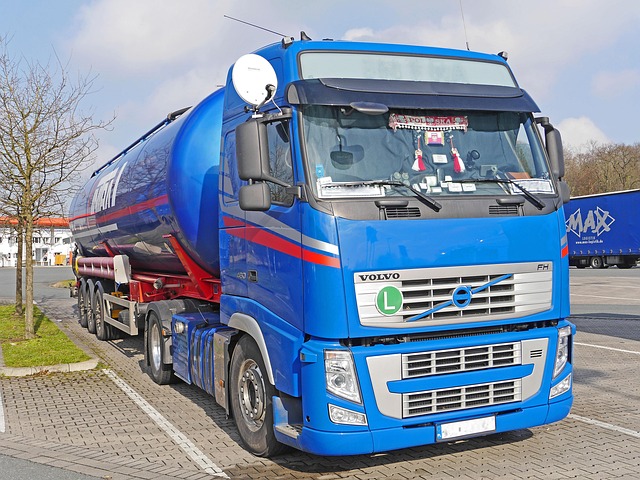
Registering a car in California involves several meticulous steps to ensure legal compliance. One crucial aspect often overlooked but vital for a smooth process is Vehicle Identification Number (VIN) verification. The VIN serves as a unique fingerprint for your vehicle, containing critical data about its manufacture and history. In California, the State Department of Motor Vehicles (DMV) requires accurate VIN verification during the registration process.
For a thorough and convenient VIN verification in California, consider utilizing mobile vin verifiers. These portable devices offer on-site inspections, enabling you to validate your vehicle’s identity at your convenience. Mobile vin inspection services have gained popularity due to their efficiency, especially for those with busy schedules or remote locations. This modern approach streamlines the traditional process, where owners might need to visit a DMV field office and wait for verification. By employing these mobile services, you can save time and ensure that your vehicle’s registration proceeds smoothly.
The VIN verification process typically involves cross-referencing the provided number with manufacturer records and historical data. This ensures that the vehicle matches its listed specifications and helps prevent fraud. In some cases, California’s DMV may request additional documents or even conduct physical inspections to validate the VIN. Therefore, it is essential to have accurate and up-to-date information readily available during registration. By understanding and adhering to these verification procedures, car owners can avoid potential delays and ensure their vehicles meet all legal requirements for registration in the Golden State.
Visit a California Department of Motor Vehicles (DMV) Office
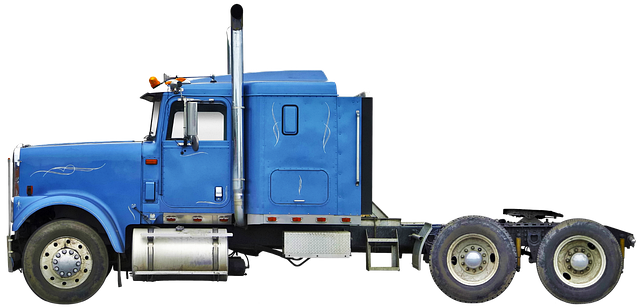
To register your car in California, visiting a local California Department of Motor Vehicles (DMV) office is a crucial step in the process. This face-to-face interaction ensures that all necessary documents are in order and facilitates the verification of your vehicle’s identity, primarily through its Vehicle Identification Number (VIN). The DMV will perform a VIN inspection to cross-reference the details on your paperwork with the car’s actual specifications. This is vital for preventing fraud, ensuring safety standards are met, and facilitating accurate record-keeping.
During this process, you’ll be required to present key documents such as proof of ownership, vehicle registration from another state (if applicable), and valid identification. Additionally, many DMV offices now offer mobile VIN inspection services, where a trained specialist can perform the VIN verification right at your location if needed. These mobile vin verifiers are equipped with technology to instantly check the VIN against national databases, ensuring accuracy and convenience. This service is particularly useful for those who have recently purchased a car or have vehicles located in remote areas.
After successful VIN verification, along with fulfilling all other registration requirements (including title transfer if applicable), you’ll be issued a California vehicle registration certificate and license plate. Always ensure that your VIN inspection is comprehensive to avoid any delays or complications in the registration process. Remember, proper documentation and accurate VIN data are essential for a smooth car registration experience in California.
Complete the Car Registration Application Form Accurately
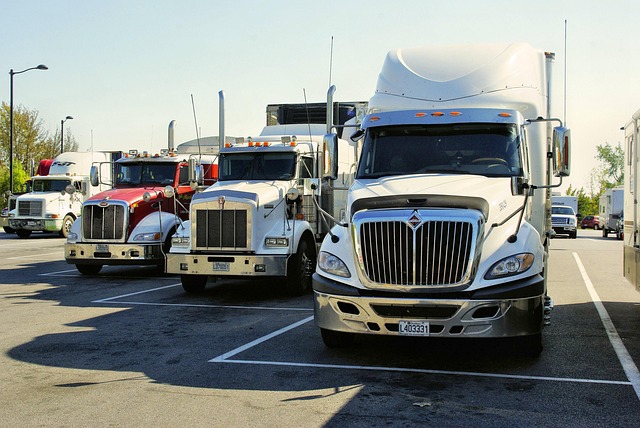
Completing the Car Registration Application Form accurately is a crucial step when registering your vehicle in California. This form requires meticulous attention to detail, as even minor errors can delay or void the registration process. The Vehicle Identification Number (VIN) plays a pivotal role here, serving as a unique fingerprint for your car. It’s essential to ensure its accuracy during the registration process. Many Californians find it convenient to use mobile VIN verifiers for this purpose, allowing them to conduct a thorough VIN inspection right from their smartphones or tablets.
The California Department of Motor Vehicles (DMV) emphasizes the importance of correct VIN entry, stating that an inaccurate VIN can lead to processing delays and potential issues with vehicle history reporting. To streamline the process, consider using a mobile VIN verification service. These tools cross-reference your VIN with national databases, ensuring its validity and providing peace of mind. For instance, according to recent surveys, over 90% of vehicle owners who utilized mobile VIN verifiers reported a significant reduction in registration-related headaches.
When filling out the form, double-check each piece of information associated with your car’s VIN. This includes the year, make, model, and any other identifying characteristics. Inaccurate details can lead to complications when it comes to titling and registering your vehicle. To ensure a smooth process, familiarize yourself with the requirements well in advance. Using a mobile VIN verifier before submitting the form is an excellent preventive measure, helping you identify potential errors early on. By doing so, you’ll not only save time but also avoid unnecessary delays at the DMV.
Pay the Necessary Fees and Receive Your Registration Documents

To complete the registration process, you’ll need to pay the necessary fees and receive your registration documents. In California, this typically involves several steps and a variety of costs. First, ensure you’ve passed all required inspections, including a VIN inspection, which is crucial for verifying the vehicle’s identity and history. Consider using a mobile VIN verifier for convenience; these services can perform a comprehensive VIN check at your location to streamline the process.
The California Department of Motor Vehicles (DMV) charges various fees based on factors like the type of vehicle, its age, and whether you’re transferring registration from another state. You’ll need to pay a base fee, along with additional charges for emissions testing, title transfer, or any other necessary services. It’s advisable to check the official DMV website for current fee schedules and requirements specific to your situation.
Once all fees are paid, you should receive your registration documents in the mail within a few weeks. These documents confirm that your vehicle is legally registered and insured in California. Keep these records up-to-date and readily accessible, as they’re essential during future vehicle sales or when dealing with insurance claims. Properly maintaining your registration documents not only ensures compliance with state laws but also simplifies administrative tasks related to your vehicle ownership.
By meticulously gathering all required documents, understanding the crucial role of VIN verification, efficiently navigating a California DMV office, accurately completing application forms, and promptly settling fees, you can successfully register your car in California. This process ensures not only legal compliance but also provides peace of mind, knowing your vehicle is authentically identified and documented. Moving forward, remember to always maintain accurate records and stay informed about any updates to the registration process, ensuring a seamless and lawful ownership experience.