

Registering a car in California is a crucial step for any new or existing vehicle owner. The process can be confusing, given the various requirements and paperwork involved. This authoritative guide is designed to help you navigate through the complexities and ensure a smooth registration experience. We’ll walk you through each step, from gathering necessary documents to utilizing essential tools like the DMV VIN verifier, to guarantee accuracy and expedite the registration process. By following our expert advice, you’ll be well-prepared to successfully register your vehicle in California.
- Prepare Necessary Documents for Car Registration
- Visit California DMV: In-Person or Online Process
- Verify Vehicle Identity with DMV VIN Verifier
- Complete Application and Pay Registration Fees
- Receive Plate and Insurance Confirmation
Prepare Necessary Documents for Car Registration

Registering a car in California involves a series of steps, with document preparation playing a crucial role in ensuring a smooth process. Before you begin, it’s essential to gather all necessary paperwork. The primary focus here is the Vehicle Identification Number (VIN) inspection and verification—a critical aspect that ensures the vehicle’s authenticity and history. Start by obtaining the vehicle’s VIN from the manufacturer or its presence on the car itself. This unique identifier serves as a digital fingerprint for your vehicle.
One practical step involves utilizing a DMV VIN verifier or a mobile vin verification service to cross-reference the number. These tools, often accessible through online platforms or dedicated apps, allow for a quick and convenient VIN inspection. By inputting the VIN, you can gain immediate access to detailed vehicle history reports, including previous owners, maintenance records, and any reported accidents. This data is invaluable for both buyers and sellers, ensuring transparency and peace of mind.
Additionally, assemble other essential documents such as the title, registration forms, proof of insurance, and a valid driver’s license. The California Department of Motor Vehicles (DMV) provides comprehensive guides on their website detailing what to expect during the registration process. Remember, an accurate and complete set of documents is key to avoiding delays or complications when registering your vehicle in California.
Visit California DMV: In-Person or Online Process

Registering a car in California involves a crucial step: visiting the California DMV (Department of Motor Vehicles). This process can be completed either in-person or online, offering flexibility to ensure convenience and efficiency. For those opting for an in-person visit, it’s advisable to check their local DMV’s operating hours and bring all necessary documents, including proof of ownership, identification, and insurance. The staff at the DMV is well-equipped to guide you through the process, ensuring that your vehicle complies with state regulations.
Online registration is another efficient option, allowing you to submit applications and required documentation digitally. You can start the process by creating an account on the California DMV website and utilizing their VIN (Vehicle Identification Number) verifier. This tool enables a comprehensive vin inspection, which is essential for accurate registration. For instance, a mobile vin verifier can cross-reference your VIN with state records, ensuring vehicle history and identifying any potential issues that might impact registration. By employing these modern tools, you streamline the process and gain peace of mind.
It’s important to remember that maintaining accurate records, including up-to-date VIN inspections, is vital for a smooth car registration experience in California. Whether conducting a vin inspection 1-3 times per year as recommended or before selling your vehicle, these checks help prevent fraud and ensure compliance with state laws. By following these guidelines and leveraging available resources like mobile vin verification services, you can confidently navigate the DMV process, ultimately securing your vehicle’s registration without hassle.
Verify Vehicle Identity with DMV VIN Verifier
Verifying your vehicle’s identity is a crucial step in the car registration process in California. One effective method is to utilize the Department of Motor Vehicles (DMV) Vehicle Identification Number (VIN) Verifier tool. This service acts as a digital check, ensuring that your vehicle matches the information on record. It’s a straightforward process that can be completed online or via a mobile app, making it accessible for modern car owners.
Using a DMV VIN verifier, you can cross-reference your vehicle’s unique 17-character VIN with the state’s database. This verification is essential to prevent fraud and ensures that the car’s history aligns with its current status. For instance, if you’re buying a used car, this process allows you to confirm that it hasn’t been reported as stolen or had any major accidents, providing peace of mind for the buyer. The California DMV offers mobile VIN verification services, allowing owners to perform this check from the convenience of their smartphones.
It’s recommended to conduct a VIN inspection at least once a year, especially if your vehicle is older or has undergone significant modifications. Regular checks ensure any discrepancies are caught early. While some may opt for third-party mobile vin verifiers, using the official DMV service ensures accuracy and complies with state regulations. By integrating this step into your car maintenance routine, you contribute to a smoother registration process and a safer driving experience.
Complete Application and Pay Registration Fees
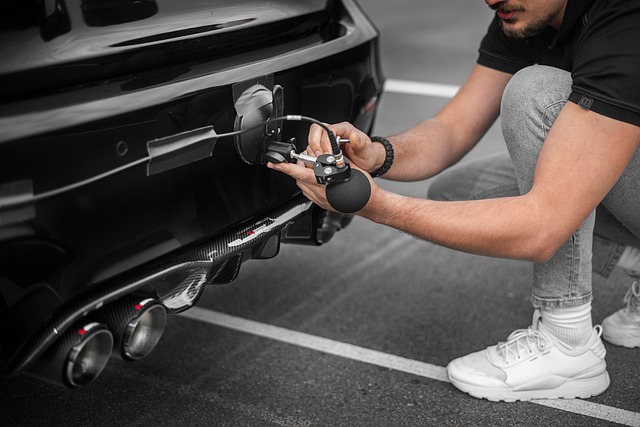
To complete the registration process in California, you’ll need to submit a comprehensive application along with paying the associated fees. The first step involves gathering all necessary documents, including proof of ownership, identification, and insurance. Once prepared, visit your nearest California Department of Motor Vehicles (DMV) office or use their online services for a smoother experience. When applying in-person, bring your vehicle’s title, which is typically issued by the previous owner upon sale. If you purchased it from a dealership, they should provide this document.
In some cases, a mobile vin inspection or verification may be required before registration. The DMV offers a convenient vin verifier tool that can be utilized to ensure your vehicle’s history is clean and free of any discrepancies. This step is crucial as it protects both you and the state by confirming the vehicle’s identity and ensuring it meets safety standards. A common scenario where this comes into play is when dealing with used cars, allowing buyers to verify the vehicle’s past and avoid potential scams.
The registration fees in California vary based on several factors, including your vehicle’s type and age. For example, standard passenger vehicles typically have a base fee of around $50, while heavier trucks or specialized vehicles may incur higher costs. It’s essential to be prepared with exact change or a valid debit/credit card to cover these fees during the registration process. After submitting your application and completing any necessary vin inspections, you’ll receive your vehicle’s registration documents, which include important information like plate assignments and expiration dates.
Receive Plate and Insurance Confirmation

After completing your vehicle’s registration process in California, it’s crucial to receive your plate and insurance confirmation. This step ensures your car is legally registered and insured for California roads. The California Department of Motor Vehicles (DMV) offers efficient services for plate issuance, including mobile vin verification options that streamline the experience.
One of the critical aspects of this stage involves verifying your Vehicle Identification Number (VIN). You can opt for a traditional VIN inspection at a DMV office or leverage modern solutions like mobile vin verification. The latter service allows you to have your vehicle’s VIN inspected remotely by a certified professional, who will then provide the necessary confirmation. This option is particularly beneficial for those with busy schedules or limited mobility.
For instance, many California residents now opt for mobile vin inspection services. These professionals use specialized equipment and tools to conduct a thorough VIN inspection, often within the comfort of your home or workplace. By combining this method with online plate application processes, you can efficiently complete your car registration in no time. It’s essential to ensure that any service provider offering mobile vin verification is authorized by the DMV to avoid potential issues down the line.
Remember, having accurate and up-to-date records for both VIN inspection and insurance confirmation is vital for maintaining compliance with California’s vehicle registration regulations. Always keep your documentation in a secure place and update it promptly whenever there are changes to your vehicle or insurance status.
Registering a car in California involves several crucial steps, from gathering essential documents to verifying vehicle identity through a DMV VIN verifier. By completing these processes efficiently, you ensure compliance with state regulations and gain legal ownership of your vehicle. Always remember to visit the California DMV either in person or online, fill out the application accurately, pay the required fees, and receive confirmation of your plate and insurance. This structured approach not only streamlines the registration process but also safeguards your investment, ensuring a seamless transition into California’s road network.