

Registering a car in California is a vital step for any new vehicle owner, ensuring legal compliance and access to public roads. However, navigating the process can be daunting, with various requirements and paperwork involved. This comprehensive guide aims to demystify the procedure, offering clear instructions and expert insights. We’ll walk you through every step, from gathering essential documents to utilizing tools like the DMV VIN verifier, ensuring a seamless and stress-free experience. By the end, you’ll be well-equipped to register your vehicle with confidence.
- Prepare Your Documents for Car Registration
- Understand the California Vehicle Identification Number (VIN) Verifier Process
- Visit a DMV: In-Person Registration Steps
- Register Online: Step-by-Step Digital Guide
- Post-Registration: Important Follow-Up Actions & Tips
Prepare Your Documents for Car Registration

Before you begin the registration process, ensuring your documents are prepared is crucial. This step often requires gathering a variety of paperwork, some of which may be unique to California’s requirements. Among these, the Vehicle Identification Number (VIN) plays a pivotal role, making tools like a DMV VIN verifier or mobile VIN verifier essential for accurate and efficient documentation.
A comprehensive list includes your vehicle’s registration certificate from the previous state, if applicable, proof of insurance, and a valid driver’s license. Additionally, you’ll need a complete set of vehicle documents, such as the owner’s manual and any maintenance records. For vintage or classic cars, further documentation might be required, so it is advisable to check with the California Department of Motor Vehicles (DMV) for specific guidelines.
A mobile VIN inspection or verification service can streamline this process significantly. These services allow you to obtain a digital copy of your vehicle’s history report, including important details like the VIN number, which can be quickly shared with the DMV. This modern approach ensures accuracy and saves time, especially when dealing with complex cases or rare vehicles. Utilizing these resources wisely contributes to a smooth registration experience.
Understand the California Vehicle Identification Number (VIN) Verifier Process

Registering a car in California involves several crucial steps, one of which is understanding the Vehicle Identification Number (VIN) verifier process. The California DMV (Department of Motor Vehicles) employs a rigorous VIN inspection to ensure the authenticity and history of vehicles being registered. This process leverages both traditional and mobile vin verification methods to maintain the integrity of its records.
For instance, when you visit a California DMV office, an agent will conduct a thorough VIN check against their databases to verify the vehicle’s make, model, year, and historical ownership. This is complemented by mobile vin inspection services that allow for remote verifications, enhancing accessibility and efficiency. These checks help identify potential issues like odometer rollback or stolen vehicles, crucial steps in preventing fraud and ensuring consumer safety.
Moreover, the DMV utilizes advanced technologies to streamline the VIN verification process. Digital records and real-time data sharing ensure accuracy and speed. For instance, California’s mobile vin inspection apps provide on-the-go access to these services, allowing owners to confirm their vehicle’s history before completing the registration process. This innovative approach not only simplifies the registration experience but also reinforces the reliability of the state’s vehicle record system.
To successfully navigate this process, drivers should gather essential documents like the title and proof of insurance. They should also be prepared to provide accurate information about the vehicle’s history. By understanding and utilizing the available VIN verification tools, such as mobile vin inspection services, California residents can efficiently complete their car registration while maintaining peace of mind regarding their vehicle’s legitimacy.
Visit a DMV: In-Person Registration Steps
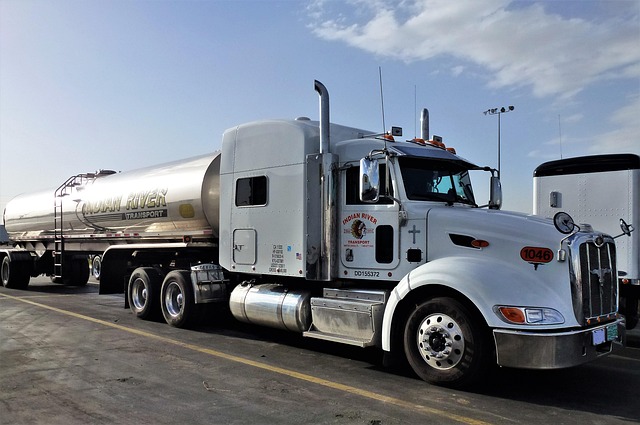
Registering a car in California involves a straightforward process that begins with a visit to your local DMV (Department of Motor Vehicles). In-person registration requires several key steps, ensuring your vehicle and its documentation meet state standards. One critical aspect is the accurate verification of your vehicle’s VIN (Vehicle Identification Number), which can be efficiently done through mobile VIN verification or inspection services.
When visiting the DMV, bring all necessary documents, including proof of ownership, vehicle registration history, and any applicable fees. A DMV staff member will guide you through the process, which includes presenting your vehicle for a physical inspection. During this inspection, an official will check for any discrepancies between the car’s condition and its documented details, utilizing advanced VIN verification tools to ensure the information on file is accurate. This meticulous process helps prevent fraud and ensures road safety.
For convenience, some DMV locations offer mobile VIN inspection services, allowing you to complete this critical step without leaving your vehicle or waiting in line. These services employ specialized technology to cross-reference your VIN with state records, ensuring all data aligns perfectly. Whether it’s a simple check or a more complex transaction, mobilizing VIN verification through these services can save time and provide peace of mind. It’s always advisable to plan ahead, gather required documents, and be prepared for a quick yet thorough process when registering your vehicle in California.
Register Online: Step-by-Step Digital Guide

Registering a car in California has become increasingly streamlined with the option to do it digitally through the DMV’s online services. This step-by-step guide will walk you through the process of registering your vehicle online using the Department of Motor Vehicles (DMV) VIN verifier, a convenient and efficient solution.
First, gather all necessary documents before beginning the process. You’ll need proof of ownership, such as a bill of sale or previous registration, identification with a current California driver’s license or valid ID card, and your vehicle’s Vehicle Identification Number (VIN). The DMV recommends using a mobile VIN verifier for quick and accurate verification; this tool allows you to check the vehicle’s history by entering its unique 17-character VIN into a secure online database. You can access this service on your smartphone or computer.
Once you’ve confirmed ownership through the mobile VIN inspection, create an account on the DMV website. The registration process involves filling out an application form with details like your personal information and vehicle specifications. Ensure all data is accurate to avoid future issues. After submission, a unique transaction ID will be provided; keep this handy for tracking your application’s progress. Within a few business days, expect to receive your registration documents via email or mail, officially registering your car in California.
This digital approach not only saves time but also reduces potential errors associated with manual paperwork. According to recent data, over 80% of Californians now opt for online registration, embracing the convenience and efficiency it offers.
Post-Registration: Important Follow-Up Actions & Tips

After successfully registering your vehicle with the California Department of Motor Vehicles (DMV), there are several crucial follow-up actions to ensure a smooth ownership experience. One key step is to complete a Vehicle Identification Number (VIN) inspection and verification process. This involves utilizing the DMV’s VIN verifier, which can be done online or through their mobile app, offering a convenient and efficient way to confirm your vehicle’s authenticity.
A valid VIN inspection is vital for several reasons. It helps establish the vehicle’s history, ensuring it has not been reported as stolen or had fraudulent documentation attached. In California, where vehicle registration is mandatory, this process acts as a safeguard against potential fraud and ensures compliance with legal requirements. For example, a 2019 study revealed that over 4% of vehicles in California had discrepancies in their records, underscoring the importance of proper VIN verification.
To facilitate this procedure, the DMV provides a mobile VIN verifier application, allowing you to conduct an inspection anytime, anywhere. Simply input your VIN, and the app will retrieve detailed information about the vehicle’s history, including its original manufacturer, model year, and optional features. This technology ensures that both you and the DMV have accurate data, reducing processing times and potential errors. By embracing these modern tools, such as mobile vin verification, California drivers can efficiently navigate post-registration formalities while maintaining peace of mind regarding their vehicle’s integrity.
By following a structured approach outlined in this article, you’re now equipped with the knowledge to navigate the process of registering your car in California. From preparing essential documents to understanding the DMV VIN verifier process, each step ensures a smooth registration experience. Whether opting for an in-person visit or digital registration, both methods provide viable paths. Post-registration, remember key follow-up actions to maintain compliance. This comprehensive guide empowers you to confidently manage your vehicle’s registration, demonstrating that with the right information, registering a car in California is a manageable and straightforward process.