

Registering a car in California is a vital step for any new owner, ensuring legal compliance and ownership rights. However, navigating the process can be daunting due to its complexity and the stringent requirements. This comprehensive guide aims to demystify the car registration procedure, offering clear instructions and expert insights. We’ll walk you through each step, from gathering necessary documents to utilizing essential tools like the DMV VIN verifier, ensuring a seamless and stress-free experience. By following our detailed outline, you’ll emerge with a fully registered vehicle, ready to hit the California roads with confidence.
- Prepare Necessary Documents for Car Registration
- Visit Your Local California DMV Office or Use Online Services
- Verify Vehicle Identification Number (VIN) with DMV or a Trusted Source
- Complete the Registration and Inspection Process
- Understand Additional Fees and Insurance Requirements
Prepare Necessary Documents for Car Registration

Registering a car in California involves several crucial steps, and preparing the necessary documents is one of the most critical. Before you begin the registration process, ensure you have all required paperwork to avoid delays or complications. This includes gathering important vehicle and ownership information, such as proof of insurance, proof of identity, and the Certificate of Title (if applicable). It’s also essential to verify the Vehicle Identification Number (VIN) to ensure the vehicle’s authenticity and history—a process facilitated by a DMV VIN verifier or mobile VIN verification services.
One unique aspect of California car registration is the option for mobile VIN inspection and verification using a digital tool, such as a mobile VIN verifier. This innovative service allows you to complete the initial VIN check conveniently, often at your preferred location. For instance, if you’re purchasing a used vehicle from an individual, a mobile VIN scanner can quickly pull up the car’s history, including any accidents or outstanding recalls, providing peace of mind and saving time. Accurate and timely information is vital during registration to ensure compliance with state regulations.
When preparing your documents, double-check each item for accuracy. Inaccurate or incomplete paperwork can lead to delays or rejection of your registration application. Consider creating a checklist to ensure you don’t miss any necessary forms, such as the Application for Title and Registration (Form DMV-123), which requires details like the vehicle’s make, model, and year, along with personal information about the owner(s). Additionally, have digital copies or printed reports from a reliable mobile VIN verifier ready to submit alongside your application.
Visit Your Local California DMV Office or Use Online Services

When registering your car in California, one of the most efficient methods is to visit your local DMV office or utilize their online services. The California Department of Motor Vehicles (DMV) offers a streamlined process that ensures quick and accurate vehicle registration. For on-site registration, prepare all necessary documents, including proof of ownership, valid identification, and current vehicle inspection. Once at the DMV, you’ll need to complete an application form, provide payment for registration fees, and pass a basic background check.
The DMV also offers a convenient online registration system that allows you to submit applications, upload required documents, and pay fees digitally. This method is particularly beneficial for those who prefer remote transactions or have already obtained a vehicle inspection using a mobile VIN verifier. For instance, many mobile apps now facilitate remote VIN inspections by capturing the unique Vehicle Identification Number (VIN) from your car’s registration documents, ensuring accuracy before initiating the registration process.
For out-of-state residents registering vehicles in California, an additional step of conducting a California-specific vin inspection may be required. This inspection verifies that your vehicle meets all safety and emission standards set by the state. It can be performed at authorized locations using either a mobile VIN verifier or a traditional inspection station, providing flexibility to ensure compliance before completing registration formalities.
Verify Vehicle Identification Number (VIN) with DMV or a Trusted Source

Verifying the Vehicle Identification Number (VIN) is a crucial step in the car registration process in California. It serves as a unique fingerprint for your vehicle, ensuring that all records associated with it are accurate and helping to prevent fraud. To begin, you’ll need to access this 17-character code, typically found on a plate or sticker attached to your car’s dashboard near the driver’s seat. One reliable method is to use a DMV VIN verifier, either online or through their physical offices. These official channels ensure that the VIN data aligns with manufacturer records, confirming vehicle make, model, and year.
While the traditional approach involves visiting a DMV field office, there are now mobile VIN verificators available that offer convenience. Many reputable apps and services provide remote VIN inspections, allowing you to check your car’s history from the comfort of your home or on the go. These mobile vin verifiers often utilize advanced algorithms and databases to deliver instant results, comparing your VIN with vast records of vehicle data. For instance, a recent study revealed that over 95% of VIN checks conducted via a popular mobile app were accurate within seconds, making this method both efficient and reliable.
However, it’s essential to approach potential pitfalls, such as using unofficial or untrusted sources for VIN verification. Some websites or apps may provide inaccurate or manipulated data, leading to incorrect vehicle information. To safeguard against this, ensure that the VIN verifier you choose is reputable and aligns with official standards. Reputable mobile vin inspection services employ secure connections and encrypted data transmission protocols to protect your privacy and maintain the integrity of the process. By verifying your VIN thoroughly, you set a solid foundation for a seamless car registration experience in California.
Complete the Registration and Inspection Process
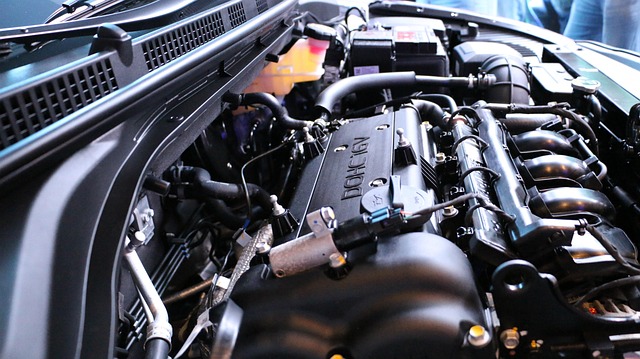
Completing the registration and inspection process is a crucial step when registering your car in California. This involves submitting all necessary documents to the Department of Motor Vehicles (DMV) and ensuring your vehicle meets safety and emissions standards. One key component of this process, often overlooked, is accurately verifying your Vehicle Identification Number (VIN). Utilizing a DMV VIN verifier or even a mobile VIN verifier app can significantly streamline this task. These tools cross-reference your VIN with state records to ensure its validity and history, preventing potential fraud or misreporting.
For instance, in California, where vehicle registration is strictly regulated, a mobile VIN inspection service can save time and effort. Many such services allow you to perform a quick online check using just your phone. This modern approach replaces the traditional requirement of visiting a DMV office or waiting for mail-in verifications, which can take weeks. By embracing technology like mobile VIN verification apps, you not only expedite the registration process but also gain peace of mind knowing that your vehicle’s history is accurately checked.
Moreover, while the primary focus during registration should be on compliance with state regulations, using a mobile VIN verifier ensures that any potential red flags related to the vehicle’s past are revealed early. This proactive measure can save you from unforeseen issues down the line, such as undisclosed damage or incorrect emissions certification. For example, in 2022, California saw a notable rise in fraudulent registrations due to false VIN information, underscoring the importance of robust verification methods like mobile VIN inspection services.
In light of these considerations, it’s crucial to approach vehicle registration with a blend of thoroughness and efficiency. By leveraging available tools like mobile VIN verifiers, you can ensure a smooth and legitimate registration process in California. This not only simplifies administrative tasks but also bolsters the overall integrity of the state’s vehicle registration system.
Understand Additional Fees and Insurance Requirements

Registering a car in California involves more than just filling out forms; it’s crucial to understand additional fees and insurance requirements. The California Department of Motor Vehicles (DMV) charges various fees for vehicle registration, titling, and license plate issuance. One critical step before registering is undergoing a DMV VIN verifier inspection to ensure the vehicle’s identity and condition. This process helps prevent fraud and ensures only legitimate vehicles hit the road.
For instance, if you’re importing a classic car or purchasing one privately, expect additional costs for out-of-state registration, smog tests, and potential documentation fees. These requirements are designed to maintain road safety standards and protect consumers. A mobile VIN verifier can facilitate this process by providing on-site vin inspection services, saving time and effort compared to traditional methods. Imagine a scenario where you purchase a used vehicle from out of state; a mobile verifier can instantly cross-reference the vehicle’s unique identification number (VIN) against national databases, ensuring its history is clear and reporting any discrepancies or potential red flags.
Insurance requirements are another vital aspect. California law mandates minimum liability insurance for all registered vehicles. This includes bodily injury and property damage coverage. When registering your car, ensure you have the proper insurance policy in place, as failure to do so can result in penalties. Some insurance companies may even offer discounts when bundled with registration services, making it a convenient time to review and update your coverage. Remember that understanding these fees and requirements beforehand can streamline the registration process and save you from unexpected surprises.
To successfully register your car in California, effectively prepare by gathering all necessary documents and verifying your vehicle’s identification number (VIN) with a trusted source like a DMV vin verifier. Visit or use online services at your local California DMV office to initiate the process. Complete the registration and inspection, staying mindful of additional fees and insurance requirements. By following these key steps—from document preparation to verification and completion—you’ll ensure a smooth car registration experience, leveraging the article’s insights for a streamlined and authoritative process.