

Looking to register your car in California? Our comprehensive guide walks you through every step, from understanding the process to picking up your registration. Learn how to gather essential documents, leverage the VIN Verifier for vehicle authenticity, submit your application with ease, and pay the required fees. By following these simple steps, you’ll be cruising down the California roads in no time while ensuring a smooth and legally compliant experience.
- Understanding the California Car Registration Process
- Gathering Necessary Documents for Car Registration
- Using the VIN Verifier to Ensure Vehicle Authenticity
- Submitting Your Application and Paying Fees
- Picking Up Your Registration and Plate Funds
Understanding the California Car Registration Process

Understanding the California Car Registration Process
In California, registering a car involves several key steps that ensure vehicle safety and compliance with state regulations. The process begins with gathering essential documents, including proof of ownership, identification, and current insurance information. Once you have these in hand, the next step is to obtain a Vehicle Identification Number (VIN) inspection. This critical component verifies the vehicle’s history and ensures it meets safety standards, which can be conveniently done via a mobile VIN inspection service.
After passing the VIN inspection, you’ll need to visit a California Department of Motor Vehicles (DMV) office or use their online services to register your car. This involves submitting the required documents and paying the registration fees. A unique California license plate will then be assigned, finalizing the registration process for your vehicle.
Gathering Necessary Documents for Car Registration
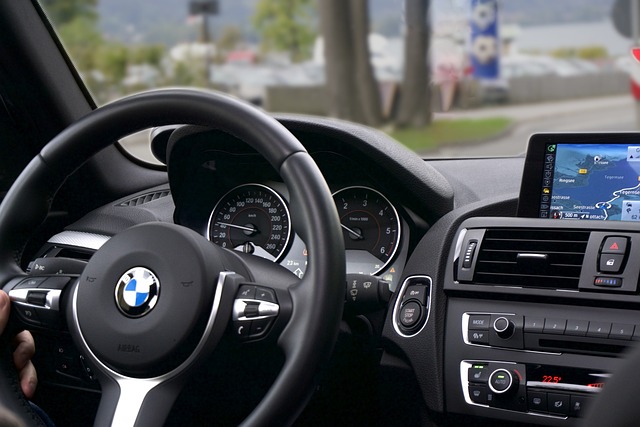
Before you begin the registration process, it’s crucial to gather all the essential documents for your car in California. One critical step is conducting a Vehicle Identification Number (VIN) verification using a reliable method like a mobile VIN inspection or verifier. This involves checking the VIN on various parts of your vehicle—including the dashboard, engine hood, and door frame—to ensure it matches the one listed on official records.
Having accurate and up-to-date documentation is vital for a seamless registration process. In addition to the VIN verification report, you’ll need items like proof of insurance, a valid driver’s license, and the vehicle’s title (if applicable). It’s also recommended to bring along any other paperwork related to previous registrations or inspections to streamline the process at your local California Department of Motor Vehicles (DMV) office.
Using the VIN Verifier to Ensure Vehicle Authenticity

When registering a car in California, ensuring the vehicle’s authenticity is a critical step. One effective way to do this is by utilizing a VIN Verifier. This tool allows you to cross-reference the Vehicle Identification Number (VIN) against a database to verify its history and condition. By employing a mobile VIN verification service or using an online VIN inspector, you can access detailed information about the vehicle’s past, including ownership changes, accident reports, and outstanding issues.
This process is crucial in protecting yourself from potential fraud and ensuring you’re making an informed decision. With just a few simple steps, you can conduct a vin inspection to confirm the vehicle’s authenticity before completing the registration process.
Submitting Your Application and Paying Fees

Once you’ve completed your application for vehicle registration, it’s time to submit it along with the required documents and fees. The California Department of Motor Vehicles (DMV) offers both online and in-person submission options. If you choose to go online, you’ll need a valid driver’s license or state ID card, a credit or debit card, and access to your vehicle’s Vin verifier information. This process is convenient as it allows for faster processing times, especially when combined with the mobile vin verifier app, which makes obtaining your Vehicle Identification Number (VIN) simple and efficient.
For an in-person submission, gather all necessary documents, including a completed registration application, proof of identity, and payment for fees. Bring your vehicle to a designated DMV office, where they will inspect it, verify the VIN using a mobile vin inspection tool if needed, and process your registration. Ensure you have all the required information and fees ready to streamline the process and avoid any delays.
Picking Up Your Registration and Plate Funds

Once you’ve gathered all the necessary documents and passed your vehicle’s emission test, it’s time to pick up your registration and license plates. In California, this process typically involves a visit to the Department of Motor Vehicles (DMV) or an authorized agent. Before heading in, ensure that you’ve paid the required fees, which include the registration cost and the fee for your vehicle’s unique California license plates.
When you arrive, present your documents and proof of payment. The DMV official will verify your vehicle’s information using the Vehicle Identification Number (VIN) verifier to ensure accuracy. If everything checks out, they will issue your registration and plates, and you’ll be one step closer to legally registering your car in California. Don’t forget that keeping accurate records, including your registration and proof of insurance, is essential for ongoing compliance with state regulations.
Registering a car in California involves several steps, from gathering essential documents to ensuring vehicle authenticity using a VIN verifier. By following these straightforward procedures and providing accurate information, you can efficiently complete the process. Remember to keep your registration and plate funds secure for future reference and ensure your vehicle complies with all state regulations.