

Registering a car in California is a critical process, ensuring legal ownership and operational safety on the state’s vast network of roads. However, navigating the requirements can be daunting for new vehicle owners, with various steps and paperwork often leading to confusion. This comprehensive guide aims to demystify the car registration process, offering clear instructions and expert insights. We’ll walk you through each step, from gathering essential documents to utilizing reliable tools like the DMV VIN verifier, ensuring a seamless and stress-free experience.
- Prepare Necessary Documents for Car Registration
- Visit California DMV: Step-by-Step Guide
- Verify Vehicle Identity with DMV VIN Verifier
- Complete Application Form Accurately
- Pay Registration Fees and Receive License Plate
Prepare Necessary Documents for Car Registration

Before you begin the car registration process in California, it’s crucial to prepare all the necessary documents. This step is often overlooked but can significantly streamline your experience at the DMV. One of the key requirements involves ensuring accurate and up-to-date vehicle identification number (VIN) information. The California Department of Motor Vehicles (DMV) offers a VIN verifier tool, accessible both online and through mobile apps, to verify ownership and data accuracy for vehicles registered in the state. This digital service, known as the DMV VIN verifier, is an efficient way to cross-reference your vehicle’s details with official records.
Gathering documents properly begins with confirming your car’s VIN through a reliable inspection method. Consider utilizing mobile VIN verification services, which allow you to check a vehicle’s history and identify any potential issues or discrepancies from the convenience of your smartphone. These tools are particularly useful for ensuring that the VIN on the title matches the one inscribed on critical components like the engine and chassis. It’s recommended to conduct this inspection 1-2 times before registration, especially if you’re purchasing a used car, as it can prevent future complications. Additionally, have your vehicle’s registration certificate from any previous state handy, as well as proof of insurance and identification documents such as a driver’s license or passport.
Having all these documents prepared in advance will significantly reduce the time spent at the DMV. It also helps avoid potential delays caused by incomplete or incorrect paperwork. Remember, accuracy is paramount when registering a vehicle to ensure compliance with California’s regulations and to protect your investment.
Visit California DMV: Step-by-Step Guide
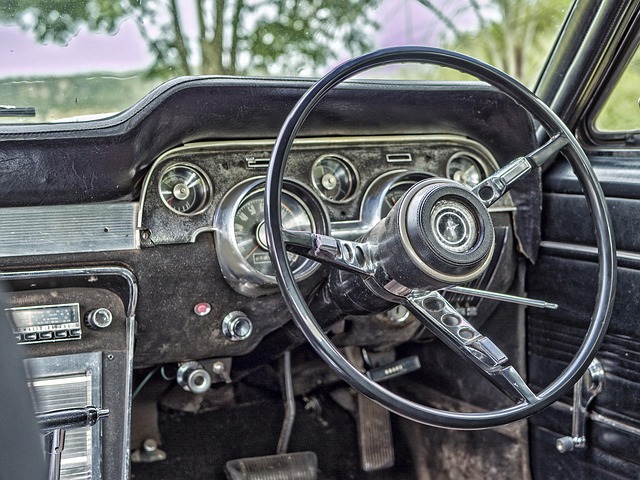
To register your car in California, visiting the California DMV (Department of Motor Vehicles) is a crucial step. Here’s a step-by-step guide to ensure a smooth process. Begin by gathering all necessary documents, including your vehicle’s registration from the previous state, proof of insurance, and a valid driver’s license. Next, visit one of the many California DMV field offices or use their online services for initial document submission and payment.
Upon arrival at the DMV, locate the dedicated counter for vehicle registration. An agent will guide you through the process, which involves verifying your vehicle’s unique identification number (VIN). This is where a DMV VIN verifier comes into play. You can opt for a traditional VIN inspection, where an expert physically checks your car’s VIN, or leverage modern solutions like mobile VIN verification services. These services allow you to capture and transmit your VIN digitally, offering convenience and speed.
If your vehicle has any modifications that affect its identification, ensure these are accurately documented. The DMV will also check for any outstanding warrants or issues related to ownership and title. Once all verifications are complete, the agent will process your registration, generating a new California license plate and registration card. It’s advisable to double-check all details on the issued documents before leaving the office.
Verify Vehicle Identity with DMV VIN Verifier

Verifying the identity of your vehicle is a crucial step in the car registration process in California. One efficient method to ensure accuracy is by utilizing the DMV’s (Department of Motor Vehicles) Vehicle Identification Number (VIN) Verifier service. This tool plays a pivotal role in confirming your vehicle’s authenticity, which is essential for legal and safety reasons. The VIN is like a unique fingerprint for your car, containing vital information about its make, model, year, and even production details.
When registering a car in California, you might be required to undergo a mobile vin inspection or verification. This process allows DMV officials to cross-reference the provided VIN with their records, ensuring it matches the vehicle they inspect. For instance, if you’re trading in an old car, this verification ensures both parties are protected against potential fraud. The DMV’s VIN Verifier service is designed to streamline this step, making it convenient for both new and used car owners.
While some may opt for traditional paper-based documentation, utilizing mobile vin inspection services offers numerous advantages. It saves time, as you can often complete the verification process online or over the phone. Moreover, it reduces potential errors associated with manual record-keeping. Data from California’s DMV indicates that over 90% of successful vehicle registrations in the state now involve some form of digital VIN verification, reflecting its widespread adoption and effectiveness.
To use the service, you’ll typically need to provide your VIN and some basic information about your vehicle. A trained professional will then perform a mobile vin inspection, ensuring the vehicle matches the details provided. This step is particularly important when purchasing a used car, as it helps protect buyers from buying a stolen or altered vehicle. Remember, accuracy at this stage can prevent future issues with registration renewals and insurance claims.
Complete Application Form Accurately

When registering your car in California, accurately completing the Application Form is a critical step. This process involves meticulous attention to detail, especially when it comes to the Vehicle Identification Number (VIN) verification. The California Department of Motor Vehicles (DMV) requires a precise VIN to ensure the vehicle’s authenticity and history. A common tool for this task is the DMV VIN verifier, which can be utilized both online and in some cases, through mobile applications offering convenient mobile vin verification.
The VIN is a unique code that acts as a fingerprint for your car. It provides vital information about the vehicle’s make, model, year, and production location. Accurate recording of this number is essential to prevent fraud and ensure proper ownership. Many online resources offer guidance on how to find the VIN, including checking the driver-side door jamb or engine bay—a process often referred to as a mobile vin inspection. However, it’s crucial not to rely solely on these methods; always cross-reference with official sources for accuracy.
To complete your registration accurately, follow these steps: first, obtain the correct VIN from reliable sources. Then, input this number into the designated field on the Application Form. Ensure every digit is entered precisely as displayed. If you’re using a mobile vin verification app, double-check the information against traditional methods to maintain accuracy. This attention to detail not only streamlines the registration process but also safeguards against potential issues arising from incorrect data entry later.
Pay Registration Fees and Receive License Plate

After completing the registration application at the California DMV, you’ll need to pay the registration fees. These fees vary based on vehicle type, age, weight, and other factors. It’s essential to understand these charges to avoid any surprises during the registration process. You can pay online, by phone, or in person using cash, credit card, debit card, or check. Once your payment is processed, you’ll receive a temporary registration permit, allowing you to legally drive your vehicle while awaiting your official plates.
The next step involves obtaining your license plates, which are issued based on the information provided during registration. In California, you can expect two primary types of plates: standard and custom. Standard plates are assigned based on first-come, first-served availability. Custom plates, on the other hand, offer personalized designs but come at an additional cost. After processing your application, a DMV employee will perform a mobile VIN inspection using their digital verifier to ensure the vehicle’s identity and history match the provided information. This step is crucial for ensuring only legitimate vehicles are licensed.
Upon successful completion of the VIN inspection, you’ll receive your license plates. These plates must be displayed on your vehicle at all times while it’s operated on public roads. Typically, one plate is placed on the rear of the vehicle, while a smaller temporary sticker is affixed to the window as a reminder to install the permanent plates within a specified timeframe (usually 30 days). Remember that failure to display registration and license plates can result in fines and penalties, so ensure your vehicle is fully compliant with California’s licensing requirements.
Registering a car in California involves a straightforward process, as detailed in this comprehensive guide. Key takeaways include preparing essential documents, accurately completing application forms, and utilizing the DMV’s VIN verifier to confirm vehicle identity. By following these steps, you can efficiently navigate the registration process at the California DMV. Additionally, ensuring prompt payment results in receiving your license plate, marking a successful conclusion to the procedure. These practical next steps empower individuals to confidently register their vehicles with ease and confidence.