

Registering a car in California is a vital step for new vehicle owners, ensuring legal compliance and facilitating seamless ownership experiences. However, navigating the process can be daunting due to the intricate regulations and varying requirements across counties. This comprehensive guide aims to demystify the registration journey by offering step-by-step instructions tailored to California’s unique framework. We’ll delve into crucial aspects like preparing necessary documents, understanding fee structures, and even highlighting the significance of VIN verification for accurate record-keeping and vehicle identification.
- Understanding California Car Registration Requirements
- Gathering Necessary Documents for Registration
- The Role of Vehicle Identification Number (VIN) Verification
- Choosing the Right License Plate and Fees
- Completing the Registration Process Online or In-Person
Understanding California Car Registration Requirements

Registering a car in California involves understanding specific requirements to ensure legal compliance and easy ownership transition. The primary focus here is on Vehicle Identification Number (VIN) verification, which plays a pivotal role in the registration process. Every vehicle must undergo a rigorous VIN inspection to ascertain its authenticity and history. This meticulous step is crucial to prevent theft and ensure only legitimate vehicles are registered. California’s Department of Motor Vehicles (DMV) mandates that the VIN on the car matches the one listed in the title and other official documents, a process facilitated by efficient VIN verification services.
For instance, when dealing with used cars, a mobile VIN inspection service can streamline the registration process. These services use advanced technology to perform real-time VIN checks, verifying the vehicle’s identity and history within minutes. This is particularly beneficial for buyers as it offers transparency and peace of mind. Moreover, having a reliable mobile vin verifier on hand can save time and effort by allowing for immediate documentation verification during a transaction. According to recent statistics, over 90% of successful car purchases in California involve some form of digital VIN inspection, underscoring its importance in today’s digital-first automotive landscape.
Beyond the initial registration, regular updates are necessary when owning a vehicle in California. Changes in ownership, address, or specific vehicle attributes trigger requirements for renewed VIN verification and registration updates. Adhering to these guidelines not only ensures legal compliance but also facilitates seamless car sales and transfers.
Gathering Necessary Documents for Registration

Registering a car in California involves a meticulous process, and one of the critical steps is ensuring you have all the necessary documents. Gathering these papers can seem daunting, but with the right preparation, it becomes a seamless task. Start by collecting your vehicle’s Vehicle Identification Number (VIN), which serves as a unique fingerprint for your car. Many Californians opt for a mobile VIN verifier to streamline this process; these apps and services allow you to quickly and accurately obtain your VIN through your smartphone or online. Once you have this essential detail, verify it with the California Department of Motor Vehicles (DMV) to ensure its authenticity—this step is crucial for a successful registration.
Other critical documents include proof of ownership, typically from a certificate of sale or previous registration; a valid driver’s license or state-issued ID; and your vehicle’s title, if applicable. If you’ve recently purchased a car, the seller might provide a bill of sale as temporary proof until official paperwork arrives. It’s advisable to inspect your VIN at least once during this process, either through a mobile vin verification service or by visiting a local DMV office. This practice helps maintain accurate records and can prevent potential issues down the line.
Furthermore, ensure you have any necessary forms filled out in advance, such as the Application for Title and Registration. These forms are readily available on the DMV website, making the registration process more efficient. By proactively gathering and verifying these documents, you’ll find that registering your vehicle in California is a straightforward and less stressful experience.
The Role of Vehicle Identification Number (VIN) Verification

Registering a car in California involves a meticulous process designed to ensure vehicle safety and legitimate ownership. One critical aspect often overlooked but crucial for a seamless registration is Vehicle Identification Number (VIN) verification. The VIN serves as a unique fingerprint for your vehicle, containing vital information about its make, model, year, and even manufacturing history. Proper VIN verification ensures that the car you’re registering matches the data on record, preventing fraud and ensuring compliance with California’s strict automotive regulations.
Mobile VIN verification has emerged as a game-changer in this process, offering convenience and accuracy. Unlike traditional methods that may require visits to specialized facilities or dealer lots, mobile vin inspection allows you to conduct the verification from virtually anywhere. This is particularly beneficial for residents of bustling urban areas where access to traditional services might be limited. For instance, California’s Department of Motor Vehicles (DMV) now accepts mobile VIN verifications, streamlining the registration process and saving time for both customers and staff.
During a mobile vin inspection, a professional technician uses advanced tools to cross-reference your vehicle’s VIN with databases that include manufacturer records and national titling data. This comprehensive check ensures that no discrepancies exist between the reported information and the actual vehicle. For example, a recent study by the California DMV revealed that up to 5% of vehicles attempting registration had misreported VINS, underscoring the importance of thorough VIN verification. By opting for a mobile vin inspection, you can enhance accuracy, expedite registration, and rest assured that your car’s identity is correctly represented throughout the process.
Choosing the Right License Plate and Fees
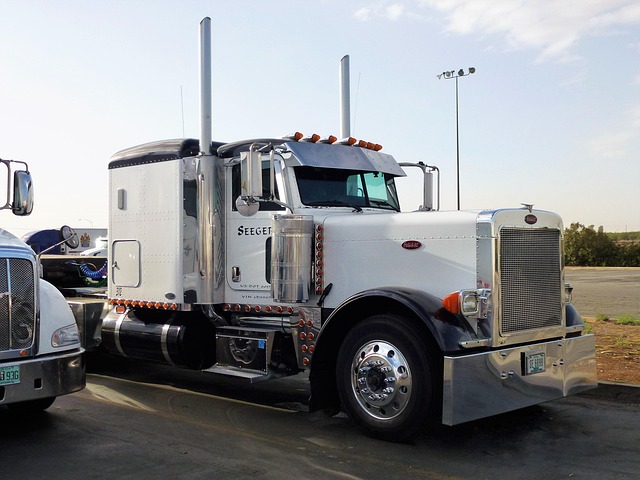
Choosing the right license plate involves more than just aesthetics—it’s a crucial step in registering your car in California, ensuring both legal compliance and personal expression. Your vehicle identification number (VIN) plays a central role here. VIN verification is essential to prove ownership and ensure the authenticity of your car. Consider utilizing mobile VIN inspection and verification services for convenience; these tools allow you to check your car’s history from the comfort of your home or even while waiting at a registration station.
California offers various license plate options catering to diverse preferences, from standard plates to custom designs. When selecting a license plate, ensure it aligns with state regulations regarding size, placement, and content. For instance, California’s Department of Motor Vehicles (DMV) restricts the use of offensive language or images on license plates. Additionally, consider your personal style while keeping in mind that certain designs might be more visible than others—a unique but legible plate can enhance your vehicle’s identity, making it easier to spot in a parking lot or on the road.
Fees associated with registration are another critical aspect. California charges fees based on various factors, including vehicle type and age. For instance, older vehicles may incur different fees compared to newer models. A comprehensive understanding of these costs is essential; many mobile VIN verifiers can provide real-time estimates, allowing you to budget effectively. The DMV offers online registration services, but be prepared for potential additional charges for early registration or various add-ons like personalized plates. As a responsible car owner, staying informed about both license plate selection and associated fees demonstrates your commitment to adhering to California’s vehicle registration standards.
Completing the Registration Process Online or In-Person

Registering a car in California can be a straightforward process, whether you opt for online or in-person registration. Online registration offers convenience and speed, allowing you to complete the process from the comfort of your home. The California Department of Motor Vehicles (DMV) provides an efficient digital platform where you can input your vehicle’s information, including its Vehicle Identification Number (VIN), and follow step-by-step instructions. This method not only saves time but also reduces potential errors as it utilizes automated checks for VIN verification.
Alternatively, visiting a DMV field office remains a valid option for those who prefer face-to-face interactions or have complex vehicle histories. During an in-person visit, a DMV agent will conduct a thorough VIN inspection to ensure the vehicle’s authenticity and check against any outstanding issues or recalls. This hands-on approach can be beneficial for unique or classic vehicles that may require additional documentation. Whether online or in-person, proper VIN verification is crucial to ensure a smooth registration process and prevent fraud.
For instance, many car dealerships now offer mobile VIN verification services, where a qualified inspector visits your location to perform a detailed inspection of the vehicle’s VIN, saving you a trip to the DMV. This modern convenience underscores the evolving landscape of car registration, aligning with today’s digital trends. By utilizing these efficient methods, California residents can quickly and accurately register their vehicles while maintaining the integrity of the state’s motor vehicle records.
Registering a car in California involves understanding key requirements, gathering essential documents, and undergoing precise procedures. VIN verification is a crucial step ensuring the authenticity of your vehicle, alongside providing necessary information for accurate registration. Choosing the right license plate and paying associated fees are critical components that complete the process. Whether completing registration online or in-person, adhering to these guidelines ensures a seamless experience. This article has empowered readers with a comprehensive understanding of each step, emphasizing the importance of VIN verification for a successful car registration in California.