

Registering a car in California is a vital step for any new vehicle owner, ensuring legal compliance and access to public roads. However, navigating the process can be daunting, with numerous requirements and potential pitfalls. This article serves as your authoritative guide, empowering you to smoothly navigate the registration journey. We’ll demystify every step, from gathering essential documents to the crucial DMV VIN verification, ensuring a stress-free experience. By the end, you’ll possess the knowledge to register your vehicle confidently, opening doors to California’s vast automotive landscape.
- Prepare Necessary Documents for DMV Registration
- Gather Vehicle Identification Number (VIN) Data
- Submit Application and Pass DMV Inspection (DMV VIN Verification)
- Pay Registration Fees Online or at a California DMV Office
- Maintain Your Car's Registration and Records Accurately
Prepare Necessary Documents for DMV Registration

To register your car in California, preparing the necessary documents for DMV registration is a crucial step. This process involves gathering various forms and ensuring all information is accurate and up-to-date. One of the essential requirements is the Vehicle Identification Number (VIN) verification, which can be efficiently completed through a mobile VIN verification service. These services allow you to confirm your vehicle’s identity remotely, saving time and effort compared to traditional methods.
When preparing for DMV registration, it’s recommended to utilize modern tools like mobile VIN inspection apps. These applications streamline the process by providing step-by-step guidance and real-time updates on document requirements. For instance, a mobile VIN verifier can cross-check your vehicle’s information against state databases, ensuring that all details match precisely as per the California Department of Motor Vehicles (DMV) records. This digital approach not only enhances accuracy but also offers convenience, especially for those who prefer a paperless process.
Gathering the correct documents is key to a smooth registration experience. You’ll need items such as your vehicle’s title, current registration papers, proof of insurance, and identification documents like a driver’s license or state-issued ID card. Additionally, having a mobile VIN verification report serves as a valuable addition to your application package. This document ensures that the DMV receives accurate and authentic information about your car, expediting the registration process. Remember, attention to detail during this preparation phase can significantly impact the outcome of your car registration attempt.
Gather Vehicle Identification Number (VIN) Data

Before you can register your vehicle in California, it’s crucial to gather accurate Vehicle Identification Number (VIN) data. The VIN is a unique code that serves as the fingerprint of your car, containing vital information about its make, model, year, and history. This process, known as DMV VIN verification, is a critical step in ensuring the accuracy of your registration. Many California residents opt for mobile VIN verification services, which allow them to inspect their vehicle’s VIN using a portable device, enhancing convenience and efficiency.
Mobile VIN verifiers offer a straightforward approach. You simply input your VIN into an app or platform, and the service cross-references it with reliable databases to validate the details. This method is particularly useful if you’re purchasing a used car, as it helps confirm the vehicle’s history and ensures there are no discrepancies. For instance, some mobile apps provide additional insights like recall checks, ownership history, and even estimated value, making them valuable tools for informed decision-making.
However, not all VIN inspections are created equal. It’s essential to use reputable services that maintain robust data partnerships with government agencies and automotive manufacturers. This guarantees the accuracy and reliability of the information provided. Regularly checking your VIN—say, once a year or whenever you sell or transfer ownership—is also recommended to maintain transparency and avoid potential issues during future registration processes.
Submit Application and Pass DMV Inspection (DMV VIN Verification)
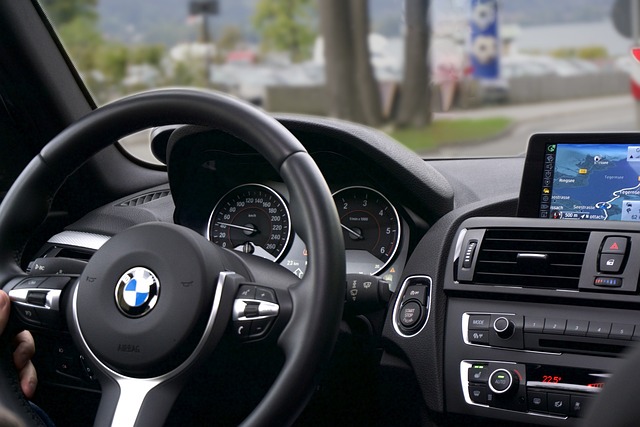
Registering a car in California involves several steps, and one of the crucial stages is submitting your application and passing the DMV VIN verification process. This critical component ensures that your vehicle meets all necessary safety standards before it can be legally operated on California’s roads. The Department of Motor Vehicles (DMV) conducts this inspection to validate the Vehicle Identification Number (VIN), which serves as a unique fingerprint for each car, providing essential information about its make, model, and year.
During the DMV VIN verification process, you’ll need to present your vehicle for an inspection at a designated DMV location or opt for a mobile vin inspection service. A trained specialist will examine various components of your car, including checking for any signs of tampering with the odometer reading, confirming that the VIN is legible and accurately displayed on the vehicle’s registration documents, and verifying that specific safety features are properly functioning. For example, the inspector might check the brakes, lights, horn, and safety belts to ensure they meet California’s legal standards. If your car passes this vin inspection, it moves closer to achieving its official registration status.
While some may consider it a hassle, utilizing mobile vin verification services can significantly simplify the process. These services bring the DMV inspection directly to your location, saving you time and potential travel costs. This approach is especially beneficial for those with busy schedules or individuals who live in remote areas, ensuring convenience without compromising on accuracy. Remember, accurate and up-to-date records are vital for both vehicle owners and the DMV, making this step an essential part of responsible car ownership in California.
Pay Registration Fees Online or at a California DMV Office

Registering a car in California involves several steps, one of which is paying your registration fees. You have two primary options for this process: completing it online or visiting a California Department of Motor Vehicles (DMV) office. Paying online offers the convenience of submitting your application from home while ensuring accurate data entry to avoid costly errors. On the other hand, in-person payment allows you to seek immediate assistance and clarification on any issues that may arise during the dmv vin verification process.
If you choose to pay online, you’ll need to create an account on the DMV’s secure website and input your vehicle’s information, including its Vehicle Identification Number (VIN). This is where a mobile VIN verifier can be invaluable; it scans and verifies the VIN digitally, ensuring accuracy before processing your registration. In-person, you’ll present your documents and pass a vehicle inspection, which includes a mobile VIN inspection to confirm ownership and prevent fraud. California accepts various payment methods, including credit cards and debit cards, for both online and in-person transactions.
To streamline the process, consider taking advantage of the DMV’s online tools, such as checking registration fees based on your vehicle type and year. This way, you can budget accordingly and avoid unexpected charges. Remember, accurate VIN inspection, whether done remotely or with a mobile device at a DMV office, is crucial for successful registration and ensuring your vehicle complies with California’s regulations.
Maintain Your Car's Registration and Records Accurately

Maintaining accurate records is an essential aspect of car ownership, especially when it comes to registration. In California, the process of registering a vehicle involves several crucial steps, and keeping your documentation up-to-date is vital for a smooth experience with the DMV (Department of Motor Vehicles). One critical component often overlooked is ensuring that your Vehicle Identification Number (VIN) inspection and verification are current.
The California DMV requires accurate VIN records for various reasons, including vehicle history tracking, safety standards, and fraud prevention. A simple yet effective method to stay compliant is by utilizing mobile VIN inspection services. These services allow you or a designated professional to conduct a thorough check of your car’s VIN, ensuring it matches the manufacturer’s data and there are no discrepancies. For instance, a recent study revealed that approximately 1% of vehicles in California have had issues with incorrect or altered VINs, highlighting the importance of regular mobile VIN verification. By embracing modern solutions like these, owners can protect themselves from potential legal issues and ensure their vehicles meet all necessary standards.
Over time, it’s easy for paperwork to accumulate and become disorganized. To streamline this process, consider digital record-keeping systems that allow you to store and access your car’s registration and inspection data effortlessly. Additionally, setting reminders for annual or bi-annual VIN inspections can help prevent any lapses in compliance. For instance, a mobile app designed for vehicle management could send notifications when it’s time for verification, ensuring you stay ahead of the curve. Remember, maintaining accurate records not only simplifies future DMV interactions but also contributes to California’s overall efforts in motor vehicle safety and regulation.
Registering a car in California involves several crucial steps, from preparing necessary documents to passing DMV VIN verification and paying registration fees. Key takeaways include ensuring accurate data for your Vehicle Identification Number (VIN), as it’s vital during the dmv vin verification process. Maintaining up-to-date records and proper documentation is essential, along with understanding the online payment option or visiting a local DMV office. By following these guidelines, you’ll efficiently navigate the car registration process, confirming your vehicle’s legitimacy in the California state system.